At above 1.20 USD per euro, the US dollar has reached levels last seen in spring 2021.
This renewed bout of weakness appears largely driven by the perception that a weaker US currency is being strategically allowed, as Washington sees it as aligning with economic and political objectives.
A weaker dollar is viewed as an opportunity. It could improve the competitiveness of “Made in USA” products. It is also seen as a key lever in restoring the promised American greatness.

US tolerance for a weaker dollar
This preference for a softer dollar is further underscored by rumours of US intervention to support the Japanese yen.
Washington considers the yen excessively weak against the dollar. This gives “Made in Japan” an unfair competitive advantage. As a result, the US is encouraging Tokyo to raise policy rates to support its currency.
So far, this has failed to revive the yen. Now, coordinated action between US and Japanese authorities is being discussed.
Unsurprisingly, these expectations have weighed on the Tokyo stock market, as any yen appreciation is negative for Japanese exporters.
Implications for Europe and investors
With the euro trading above 1.20 USD, a similar dynamic will likely emerge in the euro area.
European exporters, already under pressure from US tariffs, high energy costs, and a complex and costly regulatory environment, are unlikely to welcome this additional loss of competitiveness.
Calls for a weaker euro are therefore likely to intensify, increasing pressure on the European Central Bank to cut rates further in order to halt the currency’s appreciation.
This development is negative for European equity markets and for euro-based investors holding US bonds. The decline in the dollar erodes returns by offsetting the interest rate differential.
That said, there are a few reasons to justify a significantly stronger euro. At this stage, most of the dollar’s adjustment is likely to occur against Asian currencies, many of which depreciated sharply against the dollar in 2025.
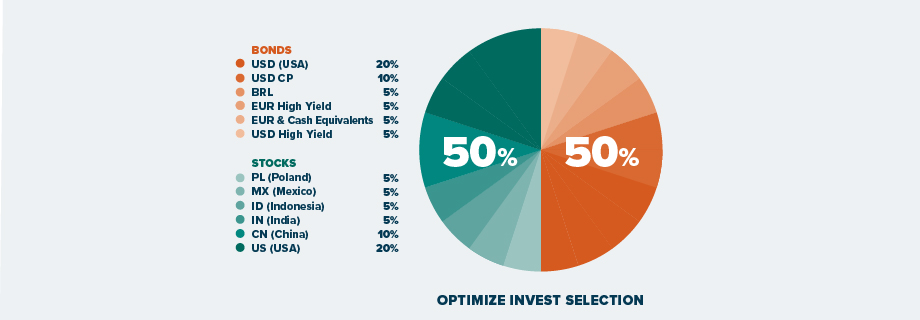
We therefore prefer to maintain our exposure to US bonds. For US equities, the weaker dollar is clearly supportive. This makes it difficult to stay underexposed to US financial assets, which remain well represented across our portfolios.